
Preventive boiler maintenance is done on a schedule, whatever the boiler’s condition: safety control tests, the annual inspection, combustion tuning. Predictive boiler maintenance is done when measured data says it is needed: a rising stack temperature, drifting O2, or a pump bearing running hot. A good program uses both, keeping the safety and code work on the calendar and using trends to decide what to fix at each planned outage. McKenna Boiler Works, Inc. runs preventive maintenance and service contracts for industrial plants, and this post explains how the two approaches fit together.
What is the difference between preventive and predictive maintenance?
| Preventive | Predictive | |
|---|---|---|
| Trigger | Calendar date or run hours | A measured change in condition |
| Examples | Low water cutoff tests, annual internal inspection, combustion tune, gasket replacement when the boiler is opened | Cleaning the fireside when stack temperature climbs, retuning when O2 drifts, replacing a fan bearing when vibration rises |
| Strength | Nothing required is missed | Work is done when it is needed, and failures show up early |
| Weakness | Some work is done too early, and failures between dates are missed | Only as good as the data and the person reading it |
Which tasks have to stay on a schedule?
Some work is set by code, law, or permit, and a good trend does not move it:
- Safety control tests. Low water cutoffs, high limits, gas pressure switches, combustion air proving, and the flame safeguard are tested at the intervals in the manufacturer’s instructions and ASME CSD-1 for automatically fired boilers under 12.5 MMBtu/hr input. Larger units fall under NFPA 85.
- Cal/OSHA inspections. Under California Labor Code 7682, power boilers (steam above 15 psig) are inspected internally and externally at least once a year; low-pressure boilers are exempt under 8 CCR 771 if their required controls are fitted and maintained. The state can extend the internal interval up to 36 months when operating experience and design support it. That decision belongs to Cal/OSHA.
- Safety valve testing and replacement at the intervals your inspector and the valve manufacturer set.
- Air district requirements. Source tests, periodic monitoring, and tune-ups required by your permit under South Coast AQMD Rules 1146, 1146.1, or 1146.2, San Joaquin Valley APCD rules, or Bay Area AQMD Regulation 9, Rule 7.
McKenna’s inspection preparation and safety control testing can be scheduled around these dates.
What data makes predictive maintenance work?
The key is comparing readings at the same firing rate. Stack temperature at low fire and at high fire are different numbers; compare low fire with low fire, week after week.
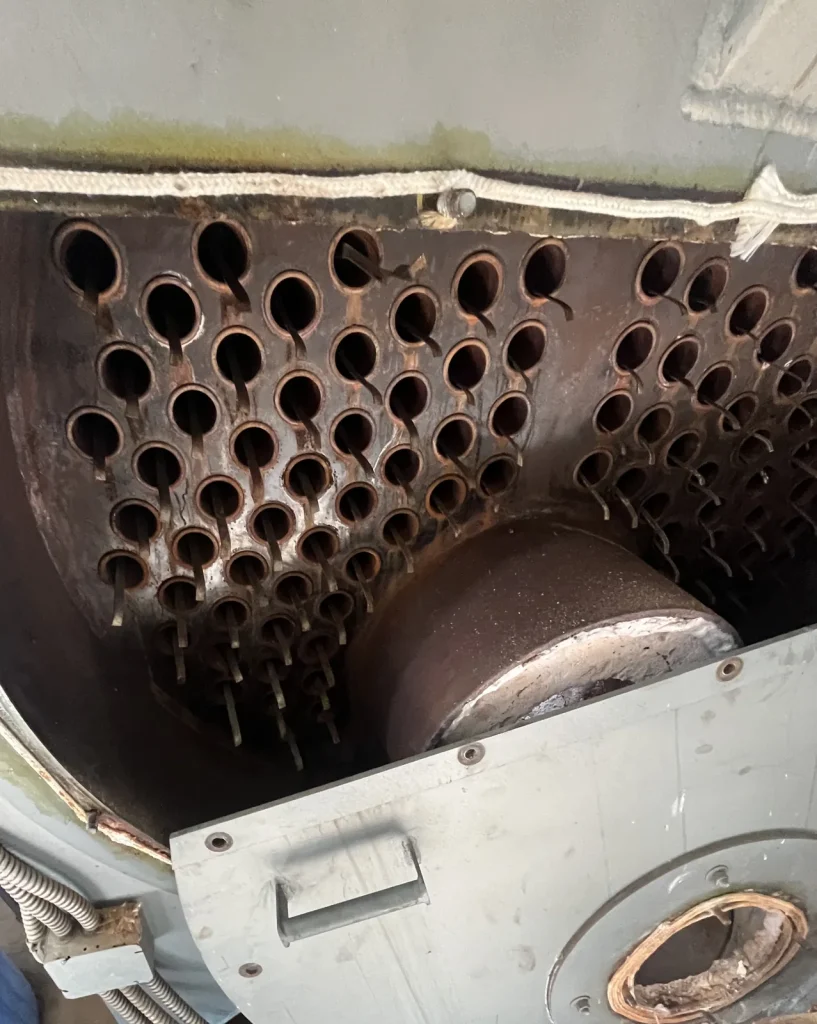
- Stack temperature at a set firing rate. A slow rise means heat is not reaching the water. Soot on the fireside or scale on the waterside are the usual causes, and scale also lets the tube metal run hotter.
- Flue gas O2 at a set firing rate. Drift means the fuel-air ratio has changed from a worn linkage, a slipped servo, a fuel pressure change, or a seasonal change in combustion air temperature. It is the cue for combustion tuning.
- Burner starts per hour. Frequent cycling wears ignition parts and refractory and points to an oversized boiler or poor control settings.
- Vibration and bearing temperature on combustion air fans and feed pumps.
- Feed pump run time and makeup water volume. Rising numbers mean lost condensate, leaks, or failed steam traps.
- Water treatment results. Conductivity, hardness, and chemical residuals logged against the targets your water treatment company sets.
- Lockout history. Repeated lockouts of the same type on the same boiler are a pattern worth chasing.
How do the two fit together?
Preventive work sets the calendar. Predictive data tells you what to do when you get there. If stack temperature has been creeping up for three months, the next planned outage includes a fireside cleaning and a look at the waterside with your water treatment company present. If O2 has drifted, the tune gets moved up. If a fan bearing trend turns upward, the bearing is ordered before it fails.
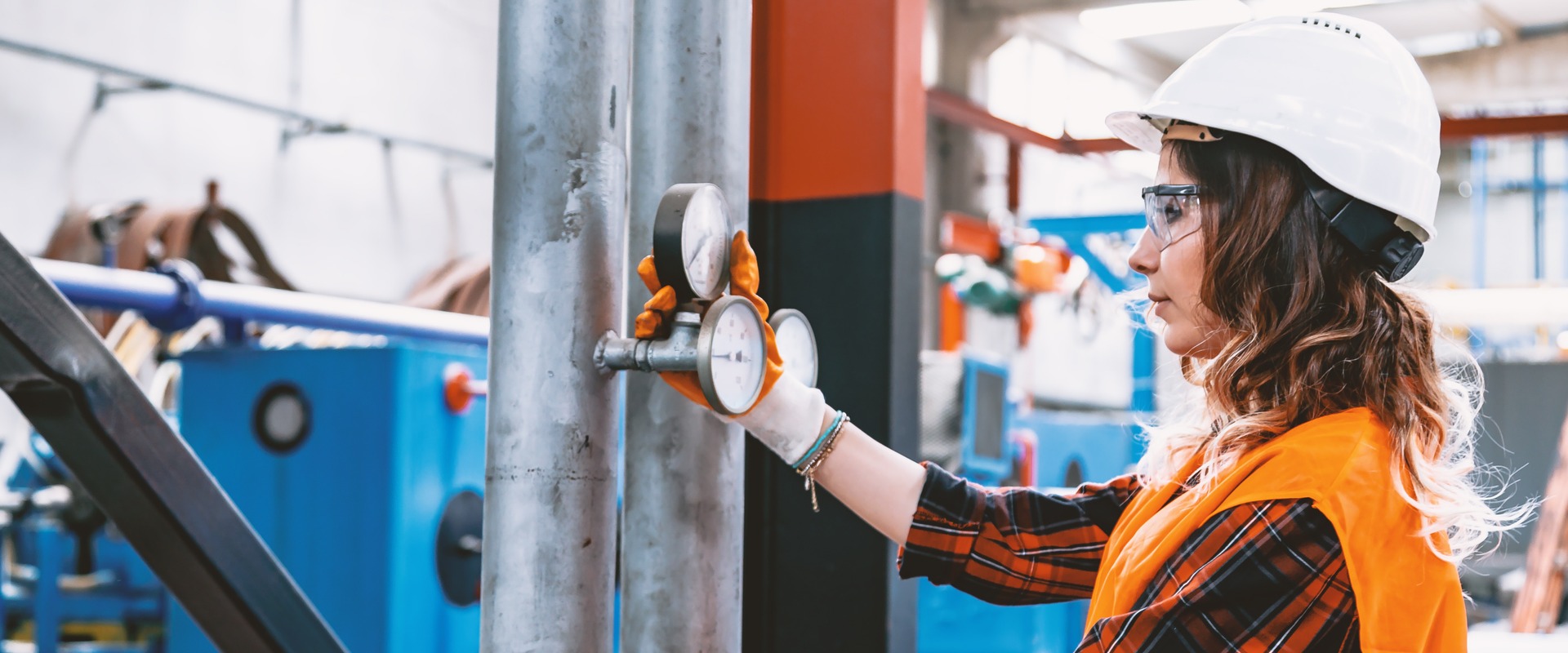
Data does not need expensive equipment. A clipboard log, filled in the same way at the same time every shift, works if someone reviews it. Remote monitoring makes the logging automatic and sends alarms, but it watches the data and does not control the boiler; safety limits stay local and hard-wired.
What to do: setting up a combined program
- List every scheduled task with its interval and who does it: operator, McKenna, your water treatment company, or the inspector.
- Build a log sheet with the readings above, and record the firing rate with every reading.
- Record readings at the same time each shift so trends are comparable.
- Set a review: someone reads the log at least monthly and flags any trend.
- Share logs with your service technician and water treatment company before each visit.
- Use the trends to plan outages, so repairs happen during planned downtime.
- For any test that involves water level, pressure, or fuel, follow the manufacturer’s instructions, lockout/tagout, and your site’s procedures. If a low water cutoff or flame safeguard does not trip during a test, shut the burner off manually and call for service.
Common questions
Is predictive maintenance only for large plants?
No. A single boiler with a consistent hand-written log can use trends just as well. The cost is a few minutes per shift and someone who reads the log.
Can good trend data extend our inspection interval?
Inspection intervals for power boilers in California are set by Cal/OSHA under Labor Code 7682. The state can extend the internal interval up to 36 months in some cases, based on operating experience and design. Good records help, but the decision belongs to Cal/OSHA.
What is the first number we should start trending?
Stack temperature at a fixed firing rate. It responds to both fireside soot and waterside scale, and it is easy to read on most boilers. Add flue gas O2 next.
Does remote monitoring replace the daily walk-around?
No. Monitoring watches data and sends alarms, but daily checks like the gauge glass and low water cutoff test happen at the boiler. Leaks, noises, and smells are found by a person in the room.
What does a service contract add to our own logs?
A service contract puts the scheduled work, such as tuning, safety control testing, and inspections, on a fixed calendar with a technician who reviews your logs. Your trends tell the technician what to look at first.
McKenna combines scheduled service with the data your operators log. To set up a program, see preventative maintenance and annual service contracts, or call (323) 987-1816.