
SA-178 Grade A Boiler Tubes for Firetube Boilers
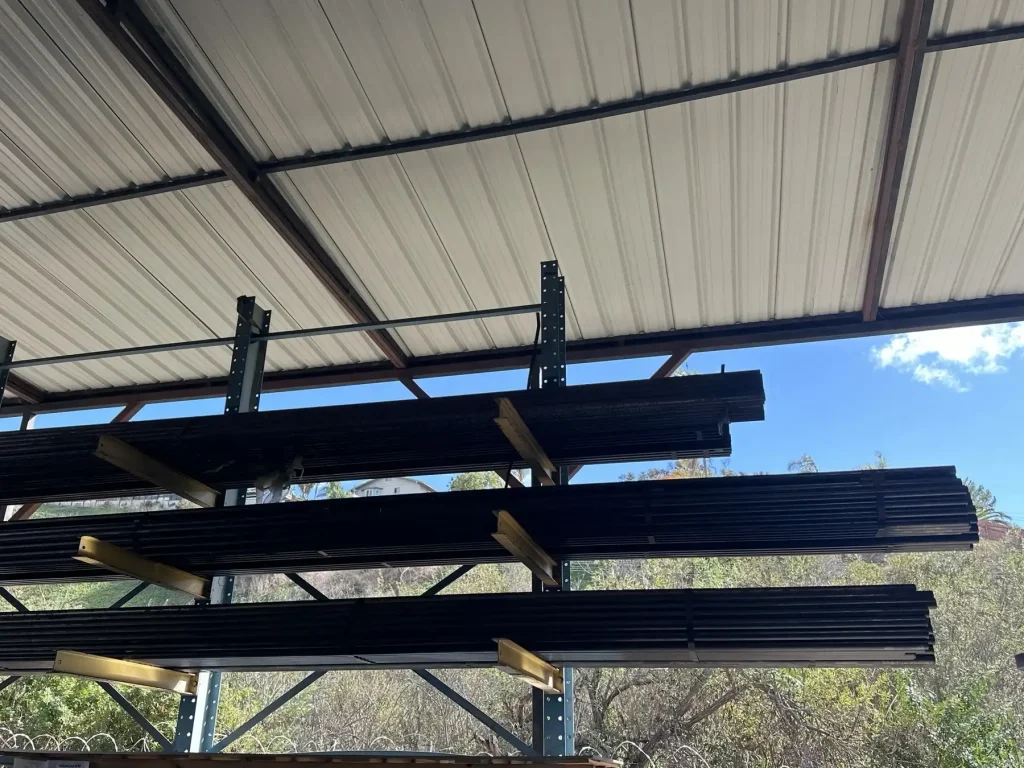
1-3/4 in. to 3 in. OD tubes, on the shelf at our Oceanside, California, shop. We also retube boilers and make welded tube repairs under our National Board R certificate.
Code-built boilers and vessels
Code repairs and alterations

Factory-authorized Tech Center

Factory-authorized Burner Tech Center

Fifth generation, family-owned
QUICK ANSWER
McKenna Boiler Works, Inc. keeps SA-178 Grade A boiler tubes at its shop in Oceanside, California, in sizes from 1-3/4 in. to 3 in. OD, on the shelf or available through McKenna. Call to confirm the size and wall thickness you need. Tubes can be picked up or shipped. In most cases, replacing rolled and beaded tubes is not an R stamp repair; tube work that involves welding is. Check with your Authorized Inspector before work starts. McKenna makes code repairs on boilers and pressure vessels from any manufacturer under its National Board R certificate, serving Los Angeles and all of California. Call (323) 987-1816 or email info@mckennaboiler.com with the tube size, length, and quantity you need.
The tube spec
What SA-178 Grade A tube is and where it goes.
SA-178 is the ASME Section II version of ASTM A178. It covers electric-resistance-welded carbon steel and carbon-manganese steel tubes for boiler tubes, flues, and safe ends. Grade A is the low-carbon grade.
The specification sets a minimum wall thickness, not an average. Each tube is heat treated after welding and gets a hydrostatic or nondestructive electric test.
In a firetube boiler, these are the fire tubes. Combustion gas runs through them and water surrounds them. Each tube is rolled into the tubesheets, then beaded or seal welded to match the boiler’s design.
Why tubes fail
Signs your boiler tubes are failing.
Tubes are the thinnest pressure parts in a firetube boiler and usually the first to go. Watch for weeping or wet soot at the tube ends, a split tube that forces a shutdown, oxygen pitting on the water side, and scale.
Scale insulates the tube, so the metal runs hotter than it should and the stack temperature climbs. Ultrasonic thickness (UT) readings show thinning before a tube fails.
Common causes of tube failure include scale or sludge that insulates the tube so the metal overheats, oil or grease in the boiler water, oxygen pitting from dissolved oxygen, low water, cold water added to a warm boiler, fast warm-ups and short cycling, and electrolysis (galvanic corrosion). Follow the water quality guidelines in your boiler manufacturer’s manual, and work with your water treatment company to build a program around them. McKenna Boiler Works, Inc. is not a water treatment company. Fix the cause first, or new tubes will fail the same way.
Tubes and retubes
What McKenna stocks and does.
- SA-178 Grade A tubes, 1-3/4 in. to 3 in. OD, on the shelf
- Pickup at the Oceanside shop, or shipped to your plant
- Replacement tubes matched to the boiler's Data Report: OD, wall, length, and spec
- Full retubes and individual tube replacement on firetube and watertube boilers
- Tubesheets inspected with the tubes out, with UT thickness readings available by proposal
- Tubes rolled and beaded, or rolled and welded, to the original design
- Hydrostatic test, witnessed by the Authorized Inspector when required, and Form R-1 when the work involves welding
- New tubesheets drawn and fabricated in McKenna's ASME shop
What to send before you order tubes
On the shelf
SA-178 Grade A, 1-3/4 in. to 3 in. OD. Call to confirm length and quantity.
Outside diameter
Measure the tube OD, or read it from the boiler drawing.
Wall thickness
From the boiler’s Manufacturer’s Data Report or drawing.
Length
Overall tube length from the drawing, or measured on the boiler between the tubesheets.
Material specification
The tube spec on the Manufacturer’s Data Report. Replacement tubes have to meet the original code requirements.
End treatment
Rolled and beaded, or rolled and seal welded, to the boiler’s design.
Boiler data
Make, model, serial number, National Board number, and operating pressure.
Quantity
Individual tubes, or a full retube.
How a retube runs
How a McKenna retube runs.
01
Evaluate and plan
McKenna inspects the tubes, tubesheets, and furnace and sends a written quote for a partial or full retube. When UT thickness readings are needed, McKenna can prepare a proposal for them.
02
Remove the old tubes
The boiler is cooled, drained, and opened. Old tubes are cut, collapsed, and pulled, and the tube holes cleaned.
03
Inspect and install
Tubesheets are checked for hole size, ligament cracks, and corrosion. New tubes are rolled, then beaded or seal welded to the design.
04
Test and return
Hydrostatic test, witnessed by the Authorized Inspector when required, and Form R-1 when the work involves welding. Then the safety controls are tested and the boiler goes back on line.
Code work
When tube work is a code repair.
In most cases, replacing rolled and beaded tubes is not an R stamp repair. When the work involves welding, such as seal-welded tube ends or tubesheet repairs, it is an R stamp repair under NBIC Part 3, made by a National Board R certificate holder, accepted by an Authorized Inspector, and documented on Form R-1.
Tubes that are only rolled and beaded involve no welding, and the jurisdiction decides what inspection and paperwork apply. California’s boiler safety orders, for example, do not require prior inspector approval to replace tubes worn by normal use. Check with your Authorized Inspector before work starts.
Why McKenna