

The History of Commercial Boilers
Commercial boilers in Los Angeles. Commercial boilers are vital components of various industrial and commercial operations, providing the necessary steam or hot water for heating, power generation, and other processes. The development of commercial boilers has evolved significantly over the centuries, shaped by technological advancements, economic demands, and environmental considerations. This comprehensive history will trace the origins of commercial boilers, their development through the industrial revolution, the impact of technological innovations, and their role in modern industry.
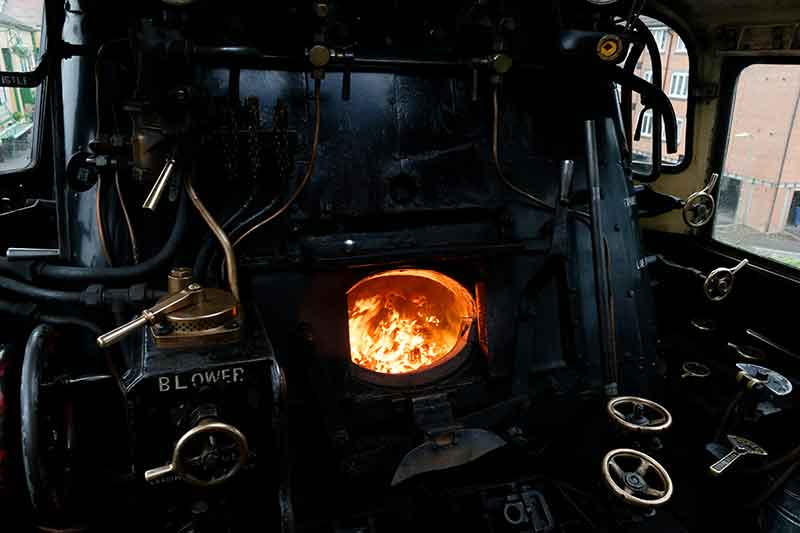
Old locomotive boiler firebox Los Angeles, CA
- Early Beginnings: The Pre-Industrial Era
1.1 The Origins of Steam Power
The use of steam power predates the development of boilers. The earliest recorded use of steam dates back to the first century AD, when Hero of Alexandria, a Greek mathematician and engineer, created the aeolipile, a simple device that used steam to create rotational motion. While the aeolipile was more of a curiosity than a practical machine, it demonstrated the potential of steam as a source of power.
1.2 Early Boilers: The First Steam Engines
The transition from simple steam devices to the first steam engines occurred during the 17th century. These early steam engines, primarily developed in England, were rudimentary and inefficient by modern standards but represented a significant step forward. One of the key figures in this development was Thomas Savery, who, in 1698, patented a steam pump designed to remove water from mines. Savery’s engine used steam to create a vacuum, which then sucked water from flooded mines. However, it was not a true boiler in the modern sense, as it lacked the ability to generate continuous steam.
1.3 The Newcomen Engine: A Milestone in Boiler History
The first significant advancement in boiler technology came with the development of the Newcomen engine in 1712. Thomas Newcomen, an English ironmonger, created a steam engine that used a boiler to generate steam, which then drove a piston to pump water out of mines. The Newcomen engine was much more effective than Savery’s design and became widely used in mining operations across England.
The boiler in the Newcomen engine was a simple, cylindrical vessel made of iron, capable of withstanding the pressures generated by steam. However, these early boilers were prone to explosions due to the lack of sophisticated pressure controls and safety mechanisms. Despite these dangers, the Newcomen engine marked the first widespread use of steam boilers in industrial applications, laying the groundwork for future developments.
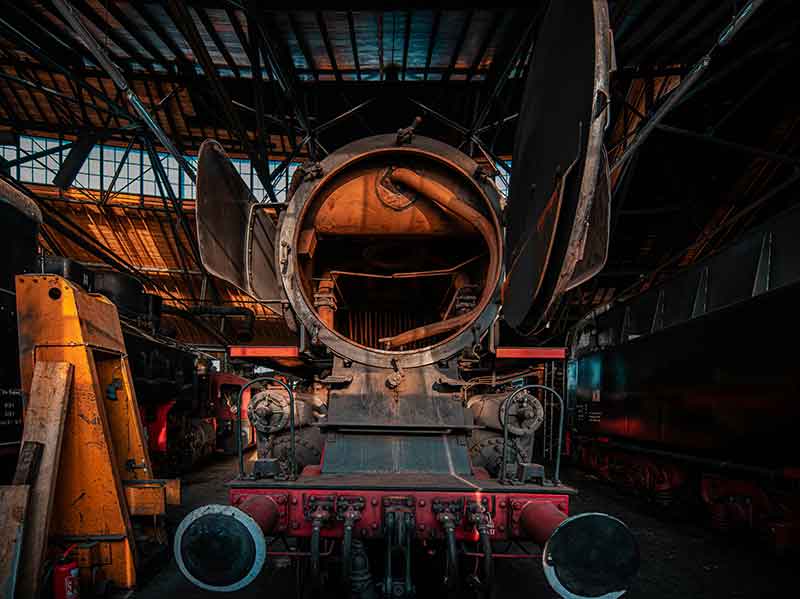
Open train boiler repair Los Angeles
- The Industrial Revolution: The Rise of Steam Boilers
2.1 James Watt and the Birth of the Modern Steam Engine
The industrial revolution, which began in the late 18th century, was a period of rapid technological advancement and industrial growth. One of the key figures in this era was James Watt, a Scottish inventor and mechanical engineer, who made significant improvements to the Newcomen engine. Watt's enhancements included the addition of a separate condenser, which greatly increased the efficiency of the steam engine and reduced fuel consumption.
Watt's steam engine required a reliable and efficient boiler to generate the necessary steam. The boilers used in Watt’s engines were typically made of cast iron or wrought iron and were capable of generating higher pressures than earlier designs. These improvements in boiler technology were essential for the widespread adoption of steam power in industries such as textiles, mining, and transportation.
2.2 The Development of Fire-Tube Boilers
The need for more efficient and reliable steam generation led to the development of the fire-tube boiler in the early 19th century. The fire-tube boiler, also known as the Scotch boiler, was a cylindrical vessel in which hot gases from the combustion of fuel passed through tubes surrounded by water. The heat from the gases transferred to the water, generating steam.
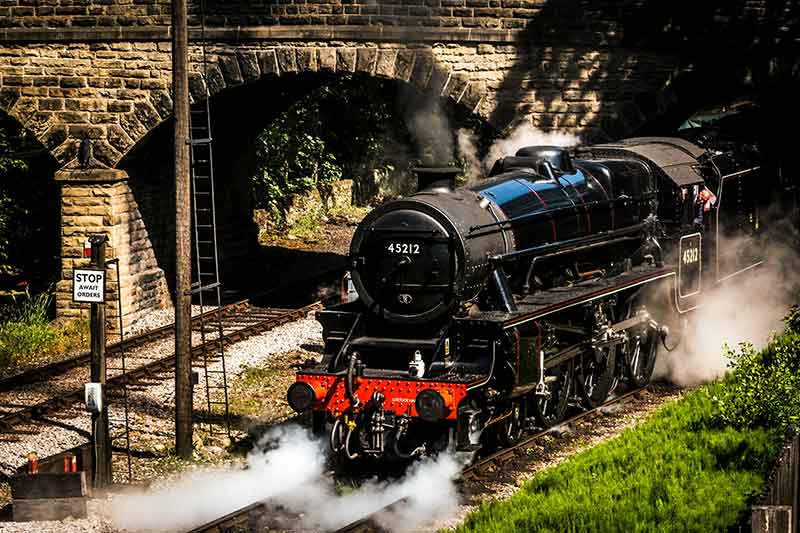
Steam boiler in action Los Angeles locomotive
Fire-tube boilers were more efficient than earlier designs and could produce steam at higher pressures, making them suitable for a wide range of industrial applications. They became the standard boiler design for many industries and were widely used in factories, ships, and locomotives. One of the most famous fire-tube boilers was the Cornish boiler, developed by Richard Trevithick in 1812, which was used extensively in the mining industry.
2.3 The Locomotive Boiler: Steam Power on the Move
The 19th century saw the expansion of steam power into transportation, with the development of steam locomotives and ships. The locomotive boiler, a type of fire-tube boiler, was specifically designed for use in steam locomotives. These boilers were compact, efficient, and capable of generating the high pressures needed to power the engines of trains.
The success of steam locomotives revolutionized transportation, enabling the rapid movement of goods and people across vast distances. This, in turn, fueled further industrial growth and the demand for more powerful and efficient boilers. The locomotive boiler became one of the most iconic symbols of the industrial revolution, representing the transformative power of steam.
- Technological Advancements in Boiler Design
3.1 The Advent of Water-Tube Boilers
While fire-tube boilers were widely used throughout the 19th century, they had limitations in terms of steam pressure and capacity. The demand for more powerful steam boilers led to the development of the water-tube boiler in the late 19th century. In a water-tube boiler, water flows through tubes that are heated externally by the combustion gases. This design allows for higher steam pressures and greater efficiency.
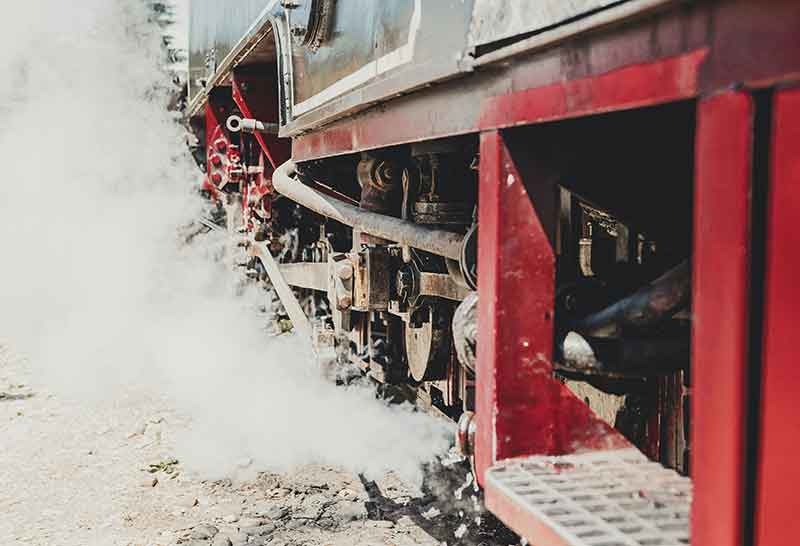
Boiler generating steam power
One of the earliest and most successful water-tube boilers was the Babcock & Wilcox boiler, developed in the 1860s. The Babcock & Wilcox boiler became the standard for high-pressure steam generation in power plants, factories, and ships. Its ability to generate large amounts of steam at high pressures made it ideal for industrial applications where efficiency and reliability were paramount.
3.2 The Role of Boilers in Power Generation
The late 19th and early 20th centuries saw the rise of electrical power generation, with steam boilers playing a central role. The development of steam turbines, which convert the energy in steam into mechanical power to drive generators, revolutionized the power generation industry. Steam boilers became an essential component of power plants, providing the steam needed to drive the turbines.
As power generation technology advanced, so did boiler design. Boilers were developed to operate at higher pressures and temperatures, improving efficiency and reducing fuel consumption. The introduction of superheating, where steam is heated above its saturation temperature, further enhanced the efficiency of steam turbines and boilers.
3.3 The Impact of the Industrial Expansion
The 20th century was marked by rapid industrial expansion, with boilers playing a critical role in supporting the growth of manufacturing, transportation, and energy production. The demand for reliable and efficient steam generation led to continuous improvements in boiler technology, including the development of automatic controls, safety devices, and advanced materials.
During this period, boilers became more specialized, with designs tailored to specific industries and applications. For example, package boilers, which are factory-built and shipped to the site as a complete unit, became popular for small to medium-sized industrial applications. These boilers were compact, easy to install, and required minimal on-site assembly.
- The Modern Era: Efficiency, Safety, and Environmental Considerations
4.1 The Focus on Energy Efficiency
The energy crises of the 1970s highlighted the importance of energy efficiency in industrial processes, including steam generation. As a result, the design and operation of commercial boilers underwent significant changes to improve efficiency and reduce fuel consumption. One of the key advancements was the development of condensing boilers, which capture and reuse heat from the flue gases, achieving efficiencies of over 90%.
The use of economizers, which recover waste heat from the boiler exhaust to preheat the feedwater, became standard practice in modern boiler systems. These innovations, along with improved burner designs and advanced control systems, have made modern boilers far more efficient than their predecessors.
4.2 Environmental Regulations and Emissions Control
As environmental concerns grew in the late 20th and early 21st centuries, so did the focus on reducing the emissions from commercial boilers. Governments around the world implemented stringent regulations to limit the emissions of pollutants such as nitrogen oxides (NOx), sulfur oxides (SOx), and particulate matter.
To meet these regulations, boiler manufacturers developed low-NOx burners, flue gas recirculation systems, and selective catalytic reduction (SCR) technology to reduce emissions. Additionally, the use of cleaner fuels, such as natural gas and biomass, became more prevalent, further reducing the environmental impact of steam generation.
4.3 The Role of Automation and Digitalization
The advent of automation and digitalization has transformed the operation and maintenance of commercial boilers. Modern boilers are equipped with advanced control systems that use sensors, algorithms, and real-time data to optimize performance, improve efficiency, and enhance safety. These systems can automatically adjust fuel input, air flow, and steam output based on the demand and operating conditions.
Digitalization has also enabled predictive maintenance, where data from sensors and monitoring systems is used to predict and prevent equipment failures. This has reduced downtime, extended the lifespan of boilers, and improved overall reliability.
4.4 The Shift Towards Renewable Energy
In recent years, there has been a growing shift towards the use of renewable energy sources in steam generation. Biomass boilers, which burn organic materials such as wood chips and agricultural waste, have become increasingly popular as a carbon-neutral alternative to fossil fuels. Additionally, solar thermal technology is being explored as a means of generating steam using concentrated sunlight.
Hybrid systems, which combine traditional fossil fuels with renewable energy sources, are also being developed to reduce carbon emissions and improve sustainability. These systems represent the future of steam generation, as industries seek to balance the need for reliable energy with environmental responsibility.
- Conclusion: The Legacy and Future of Commercial Boilers
The history of commercial boilers is a testament to the ingenuity and adaptability of human engineering. From the rudimentary steam engines of the 17th century to the sophisticated, efficient, and environmentally friendly boilers of today, the evolution of boiler technology has been driven by the needs of industry, the demands of society, and the challenges of environmental sustainability.
As the world continues to evolve, so too will the technology and applications of commercial boilers. The future of steam generation lies in the integration of renewable energy sources, the use of advanced materials and designs, and the continued focus on efficiency and emissions reduction. Commercial boilers will remain a cornerstone of industrial processes, providing the reliable and efficient steam generation needed to power our world.
The legacy of commercial boilers is one of innovation and progress, and their future promises to be just as dynamic and impactful as their past. As industries continue to grow and adapt to new challenges, commercial boilers will play a crucial role in shaping the future of energy production and industrial operations.