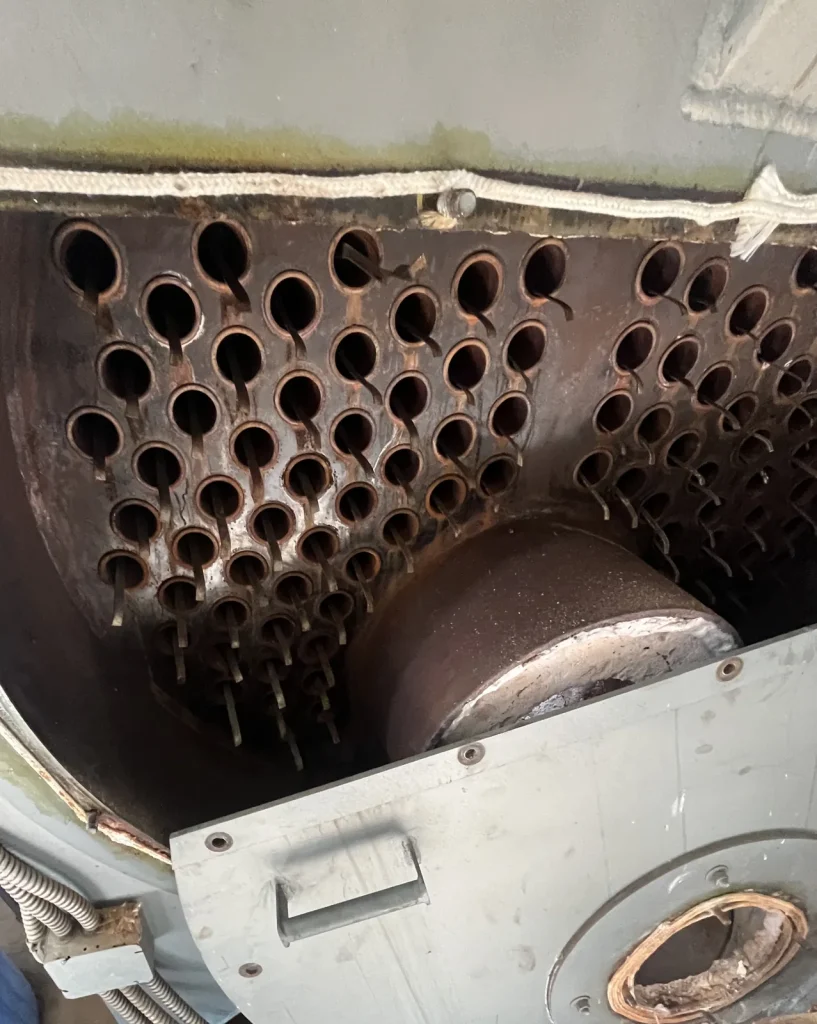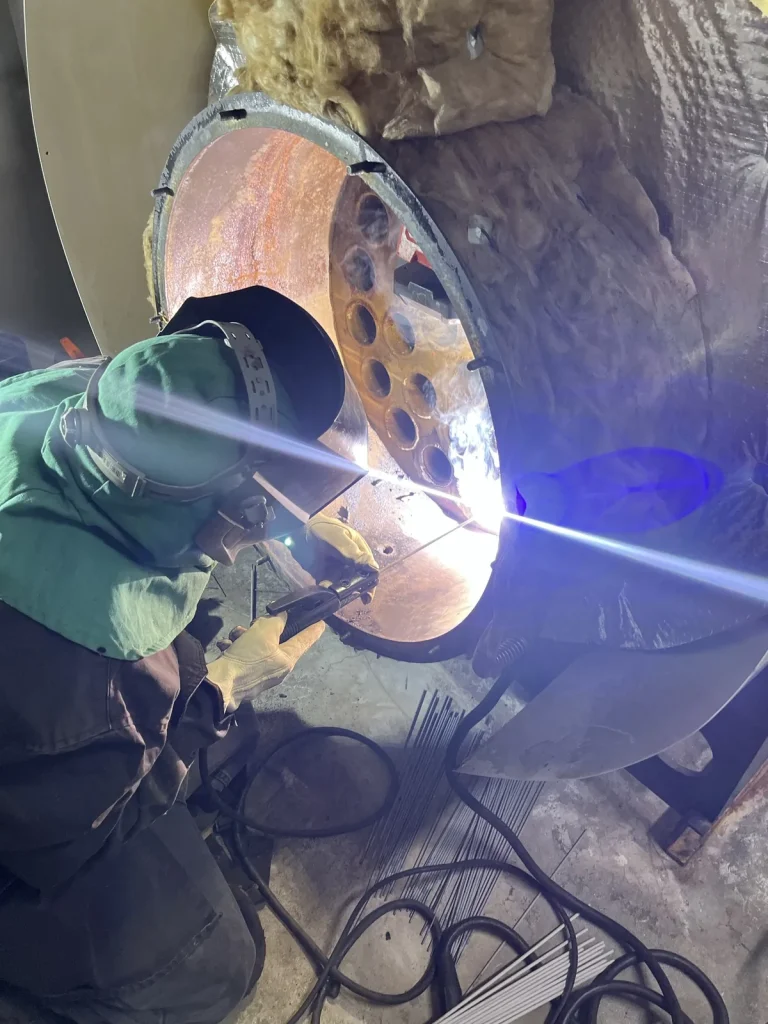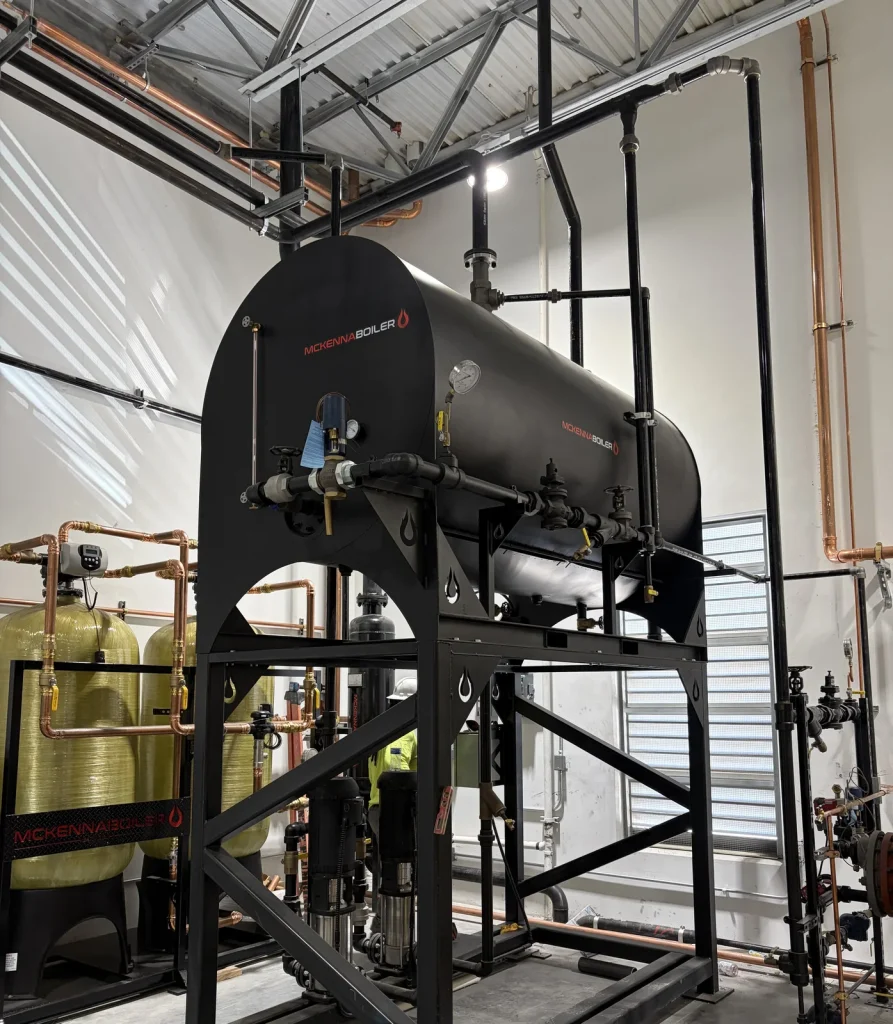


At an annual boiler inspection in California, a Cal/OSHA safety engineer or a certified inspector employed by your insurance carrier examines the boiler inside and out: the water side and fire side, the tubes and tubesheets, the furnace and refractory, the safety valves, low water cutoffs, gauge glass, and controls. Before the inspector arrives, the boiler has to be cooled, drained, opened, and cleaned so every surface can be seen, and that preparation is most of the work. McKenna Boiler Works, Inc. prepares boilers for inspection and makes the repairs the inspector calls for.
Which boilers get an annual inspection in California?
Under Title 8 Section 770 and Labor Code Section 7682, power boilers, meaning steam boilers operating above 15 psi, get an internal and external inspection every year and need a current permit to operate. Cal/OSHA can approve a longer interval between internal inspections, up to 36 months, on an individual application from plants such as refineries, chemical plants, and utilities with strong preventive maintenance and examination programs; the annual external inspection continues.
Title 8 Section 771 lists the boilers not subject to annual inspection or a permit to operate: low-pressure boilers, miniature boilers, high-temperature water boilers, and small boilers within all of the section’s size limits. Those boilers still have to meet the rest of the Safety Orders, their automatic controls have to be kept in operating condition, and Cal/OSHA can still require one to be prepared for inspection. Your insurance carrier and some cities have their own requirements, so check with both.
How do you prepare a boiler for inspection?
- Schedule the outage early with the inspector, your service company, and your water treatment company. If the plant cannot run without the boiler, arrange a second boiler or a rental boiler for the outage.
- Take the boiler off line and let it cool on its own. Do not force it with cold water or drain it hot, which shocks the steel and bakes sludge onto the surfaces the inspector needs to see.
- Lock and tag out the burner, fuel, and power, and isolate and tag every line that could put steam, water, fuel, or chemicals into the boiler: steam stop valves, feedwater, blowdown, and chemical feed. Follow the site’s lockout/tagout procedure.
- Drain the boiler once it is cool and fully depressurized.
- Open the handholes, manways, and front and rear doors, and swing out or remove the burner so the furnace can be seen.
- Ask your water treatment company to look at the water side as it is opened, so they see the deposits their program has to address.
- Clean the fire side by brushing the tubes and clearing soot from the tubesheets and turnaround chambers, and wash the water side to remove sludge and loose scale.
- Have the records ready: the current permit to operate, the last inspection report, the water treatment log, low water cutoff and safety valve test logs, and the reports for any repairs made since the last inspection.
Entering a boiler shell, furnace, or drum is confined space work. Follow your site’s confined space and lockout/tagout procedures before anyone goes inside.
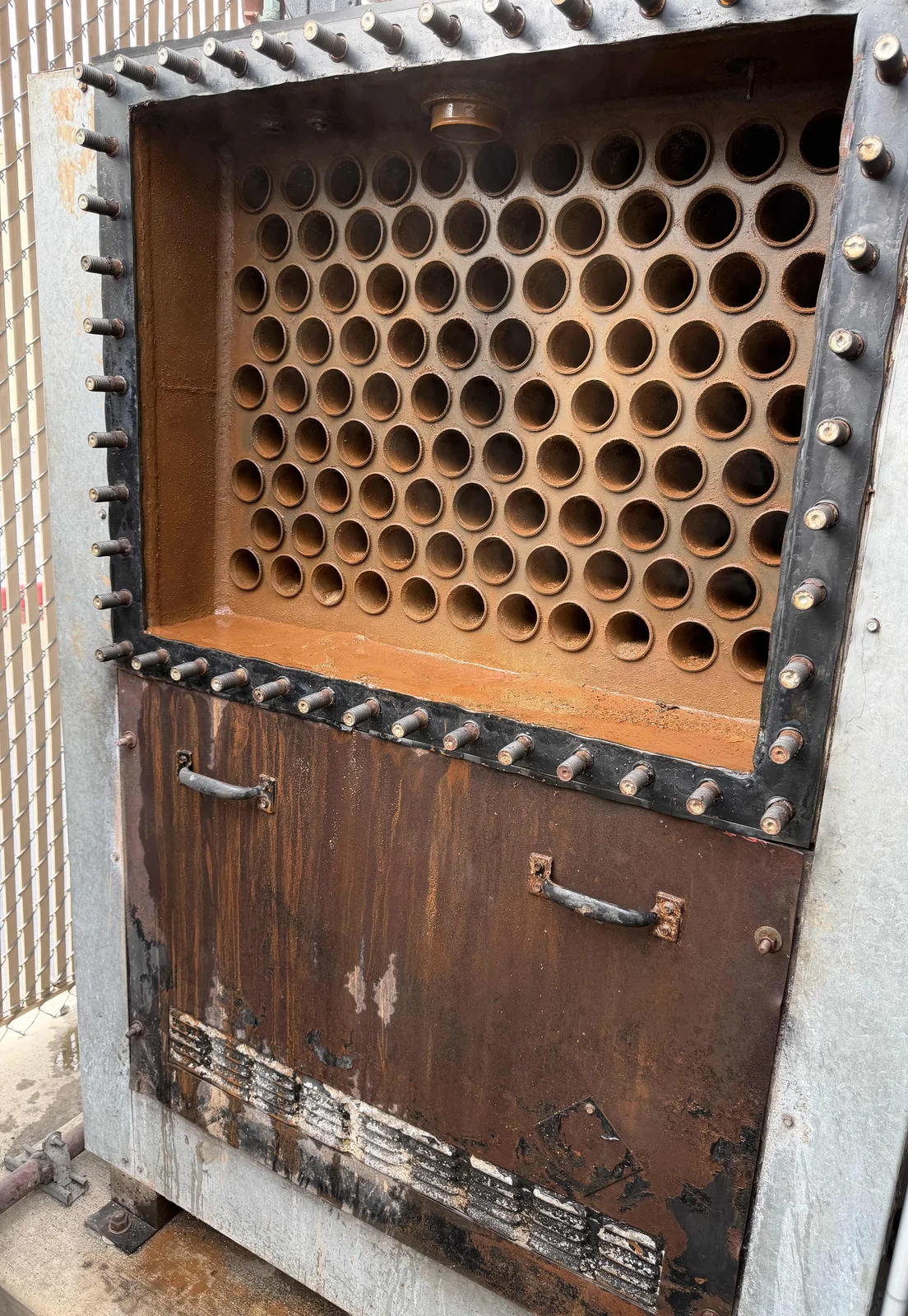
What does the inspector examine?
| Area | What the inspector looks for | Why it matters |
|---|---|---|
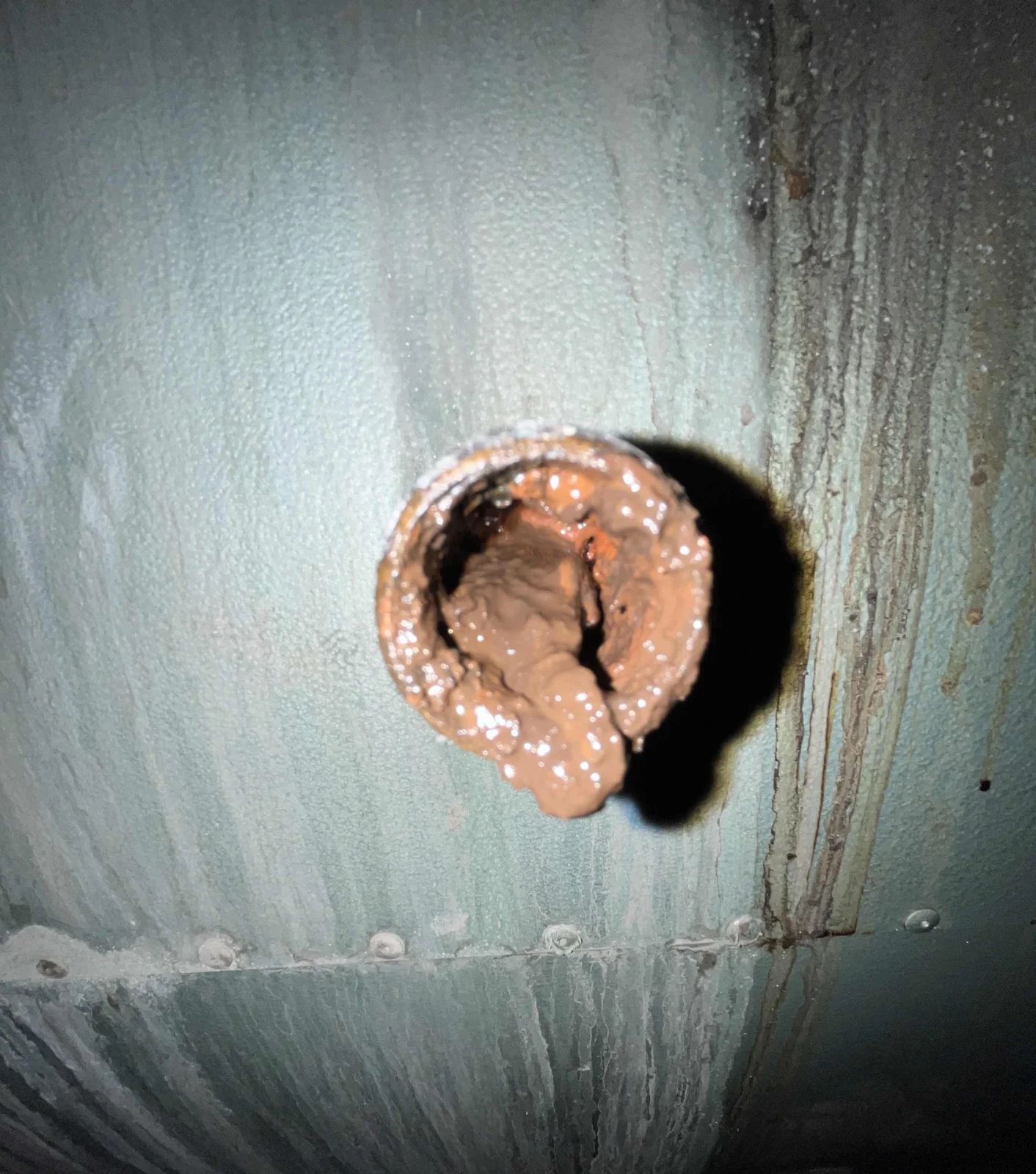
| Water side: shell, tubes, tubesheets | Scale, sludge, oxygen pitting, general corrosion | Scale insulates the steel so it runs hot. Pitting and corrosion thin the metal until it may no longer hold the boiler’s working pressure safely. |
| Fire side: furnace, tubes, tubesheets | Cracks at tube ends and between tube holes, leaking tube joints, bulges, overheating, heavy soot | Signs of low water, poor combustion, or fatigue from cycling |
| Refractory and door seals | Cracks, missing sections, worn seals | Hot gas that bypasses refractory can overheat steel that was never meant to see flame |
| Safety valves | Nameplate set pressure and capacity, leakage, discharge piping, no caps or plugs | The last protection against overpressure |
| Low water cutoffs and water column | Clean float chambers, clear connections, a burner that shuts off on low water | Running low on water overheats the furnace and tubes |
| Gauge glass, gauges, controls | Clear glass, working valves, operating and limit controls, flame safeguard | The operator depends on these readings every shift |
| Blowoff piping and tank | Valves, supports, safe discharge, tank condition | Required under Title 8 Section 764 |
Combustion tuning and gas train work belong to your service company and are usually done on the same outage. The inspector looks at the condition of the boiler and its safety devices, and may ask for a test fire once it is closed up.
What happens after the inspection?
The inspector writes up the findings. For a power boiler that passes, the permit to operate is issued or renewed. If the inspector finds damage that needs a welded repair to pressure parts, such as seal-welded tubes or a tubesheet repair, the repair is made under NBIC Part 3 by a holder of a National Board R certificate, and the inspector may need to accept the repair plan before work starts and inspect the work afterward. In most cases, replacing rolled and beaded tubes is not an R stamp repair; check with your Authorized Inspector. McKenna holds National Board R certificate No. 11037 and handles code repairs, retubes, and refractory work.
Once the work is accepted, the boiler is closed with new gaskets, refilled, and started up following the cold start procedure, with the low water cutoffs and controls tested before it goes back on automatic.
What to check before the inspector arrives
- The outage date is confirmed with the inspector, the service company, and the water treatment company.
- Standby or rental steam is arranged if the plant needs it.
- The boiler is cool, drained, depressurized, and locked and tagged out, with every inlet line isolated.
- Handholes, manways, and doors are open and the burner is swung out.
- Fire side and water side are clean enough to see the metal.
- The permit, last report, water treatment log, test logs, and repair records are at the boiler.
- Confined space procedures are in place for anyone entering the boiler.
- New gaskets are on hand for closing up.
Common questions
Who performs boiler inspections in California?
Either a qualified safety engineer employed by Cal/OSHA or a certified inspector with a certificate of competency, usually employed by the boiler’s insurance carrier. Both inspect to the same Safety Orders.
Does a low-pressure heating boiler need an annual inspection?
Low-pressure boilers are not subject to the annual state inspection under Title 8 Section 771. Their automatic controls still have to be kept in operating condition, so they still need yearly service. Your insurance carrier or city may also require an inspection.
How long will the boiler be out of service?
It depends on how long the boiler takes to cool, how much cleaning it needs, and what the inspector finds. Plan the outage early and arrange standby steam if the plant cannot run without it.
Should the water treatment company be there?
Yes. The water side is where their program shows up, good or bad. Having them on site to check and monitor the water side when it is opened lets them adjust the program based on what the inspector sees.
What happens if the inspector finds a problem?
The inspector writes it up, and depending on how serious it is, the boiler may be limited or kept out of service until it is repaired. Welded repairs to pressure parts are made under NBIC Part 3 by a National Board R certificate holder and inspected before the boiler returns to service. In most cases, replacing rolled and beaded tubes is not an R stamp repair; check with your Authorized Inspector.
McKenna handles boiler inspection preparation and testing, from opening and cleaning the boiler to the repairs that follow. To schedule your inspection outage, call (323) 987-1816.